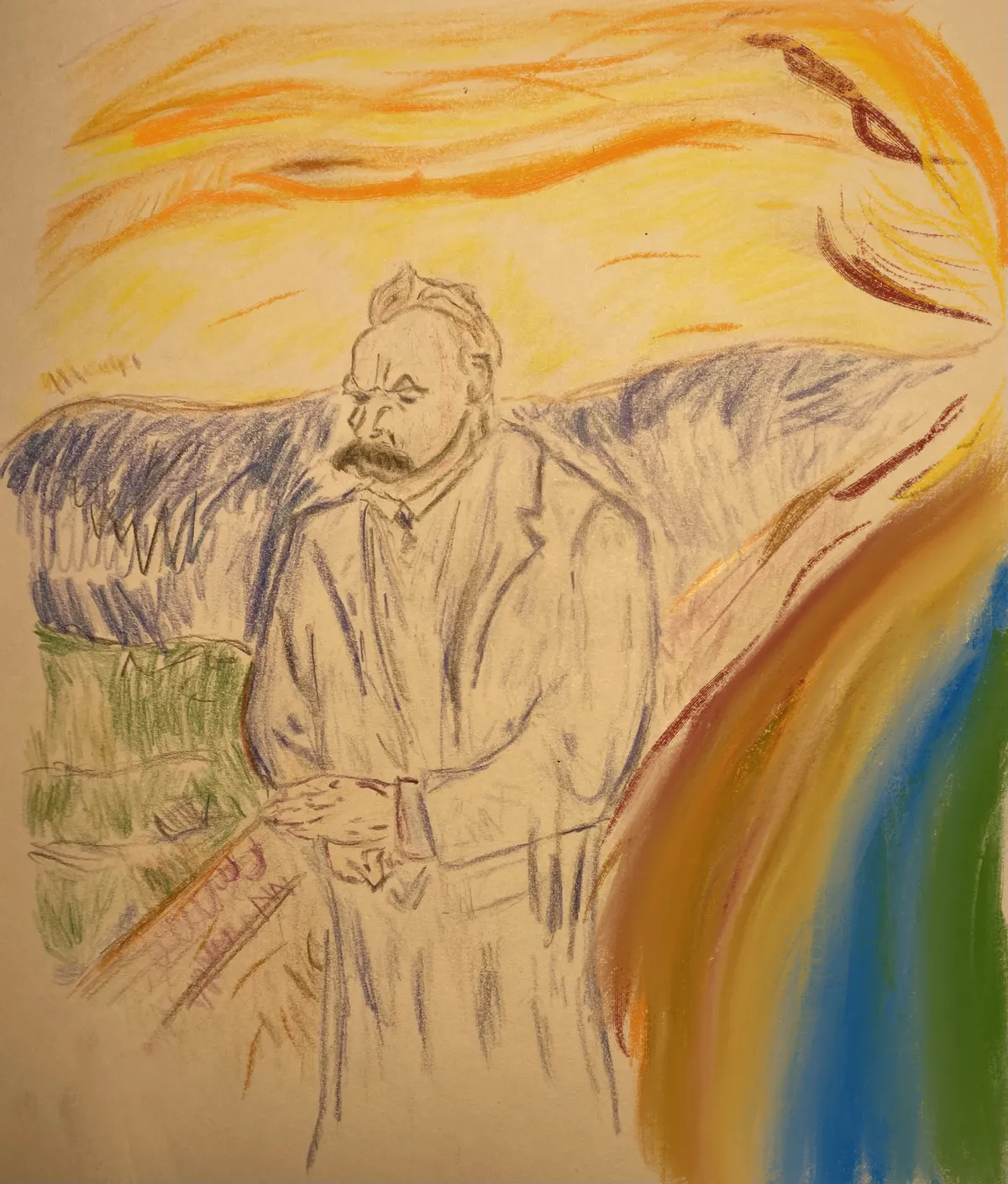
Nietzsche

The Paradox of Wisdom

10 min read

This essay reflects on Nietzsche’s Ecce Homo and the limits of philosophical system-building, arguing that true wisdom lies in recognising the inadequacy of our concepts in language, economics, and metaphysics, and in embracing humility in our human constraints.

Read
Austen

You will be Judged: The Neuroscience

15 min read

This essay explores the psychology and neuroscience of first impressions, showing how the amygdala, memory, and bias shape our snap judgements, and why reflection and restraint are essential before reducing a person to a fleeting perception.

Read
Popper

The Philosophy of Science as Treatment

10 min read

This essay looks at Popper’s insistence that science is defined by its capacity for error and extends this insight to ask how the philosophy of science can be used to test the everyday beliefs we treat as obvious. The knowledge that falsification drives science and being aware that we are constrained by our current paradigms can become habits of mind that protect against deception and psuedo-science, whilst also revealing the fragility of the frameworks we live within.

Read
Steinbeck

Just East of Eden there is Freewill

15 min read

This essay uses Steinbeck’s East of Eden as a lens on the problem of free will and determinism, drawing on neuroscience, philosophy and literature to ask whether we must preserve the illusion of freedom in order to live a meaningful, moral life. The characters in East of Eden embody the tension between nature and choice and this essay will claim that even if determined, the presupposition of freedom is essential for morality, motivation, and hope.

Read
Hemingway

Separating the Art from the Artist with Logic

10 min read

This essay examines whether we can separate art from the artist through logic instead of moral instinct. From Nietzsche to Huberman to Heidegger, it argues that ideas supported by reason retain value regardless of personal flaws.

Read
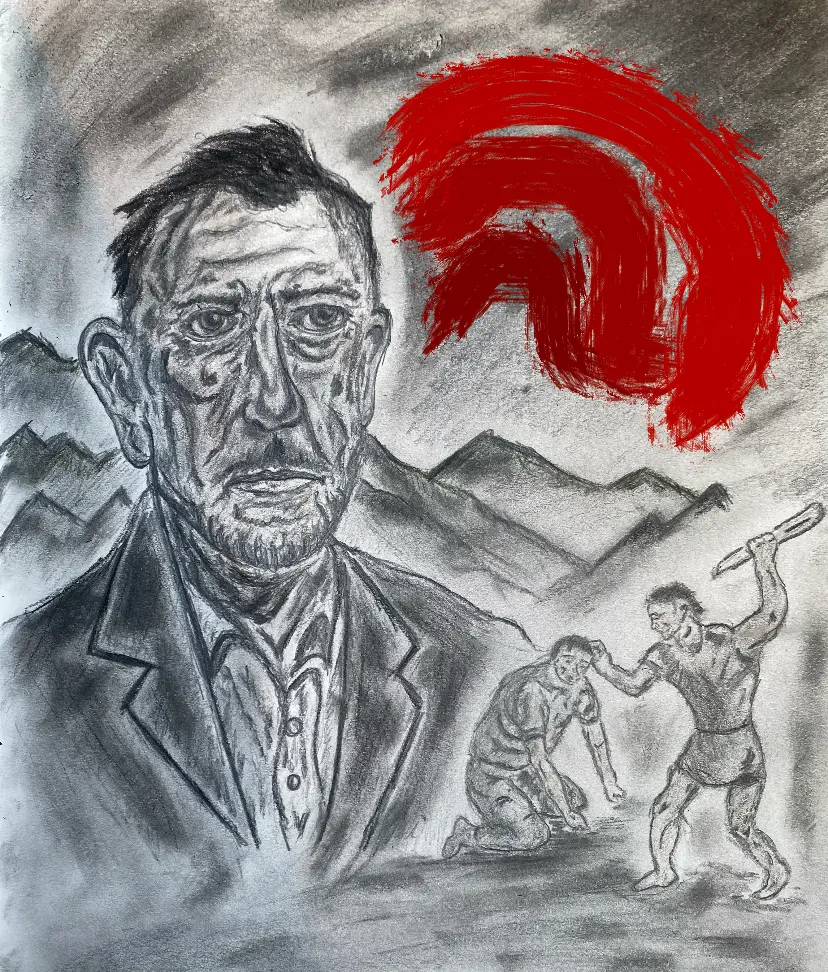
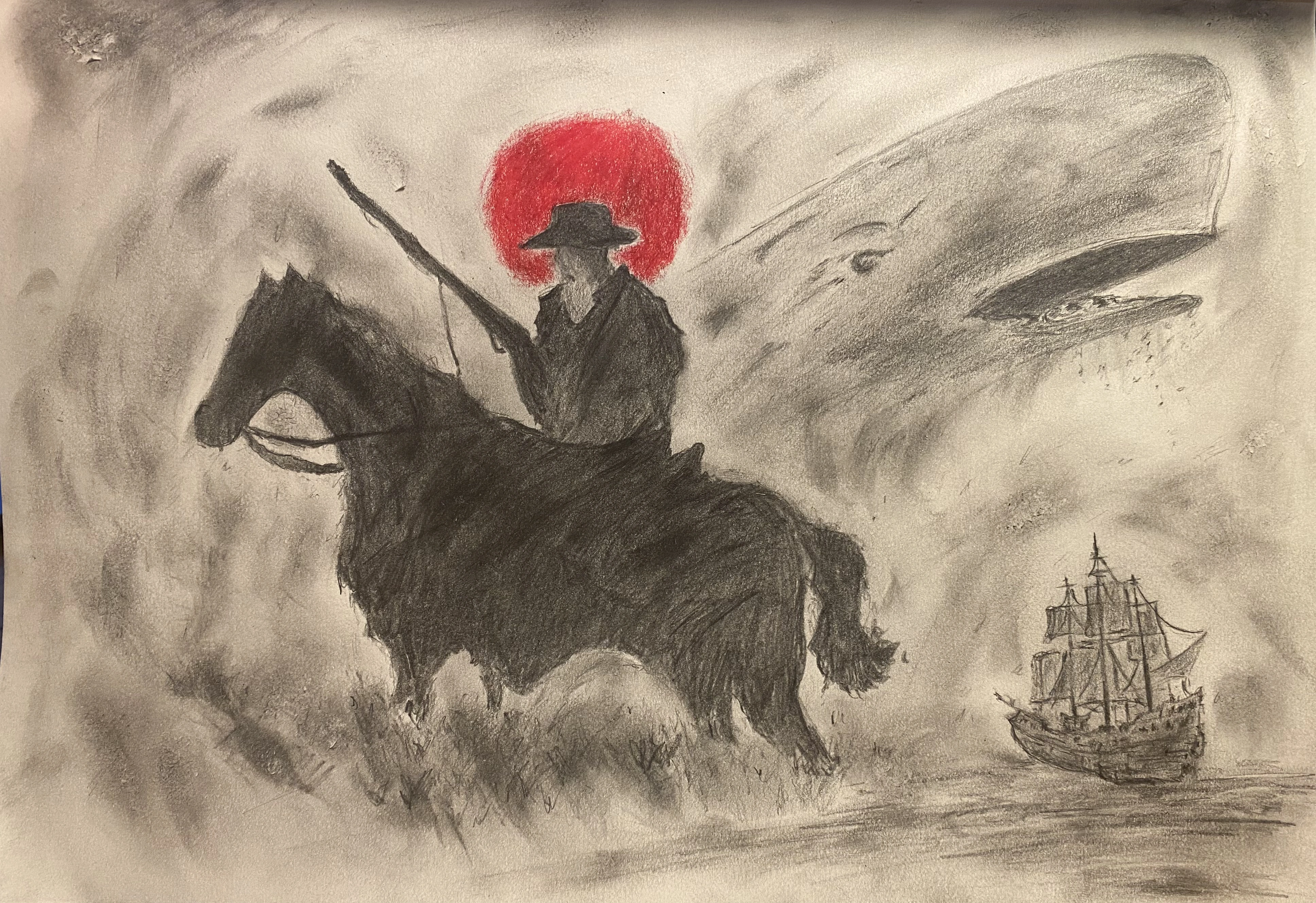
Blood Meridian

The Shadow Line, A Study of Initiation in Literature

15 min read

This essay examines how literature portrays the passage from youth into adulthood through trial, responsibility, and exposure to danger. Moving from Conrad to Melville to McCarthy, it explores how becoming a man is less a matter of age than of ordeal, command, and moral burden.

Read
Camus

What makes a good Philosopher?

10 min read

This essay asks what it means to be a good philosopher. Thinkers like Aurelius and Camus offered remarkable clarity and insight, yet often worked with loose argument and imprecise definition. Within analytic philosophy they might not qualify as rigorous, yet as guides for living they are difficult to surpass. This essay explores the space between writing that moves us and philosophy that endures under scrutiny, arguing that good philosophy cannot be limited to narrow criteria.

Read
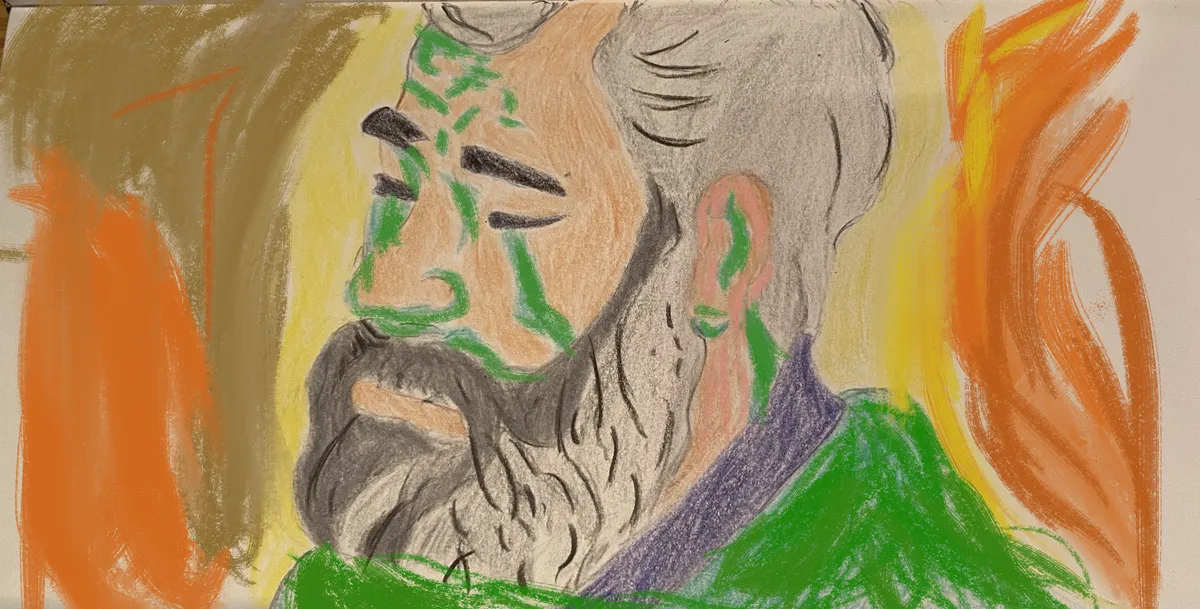
EastWest

Pluratiy and Singularity: Differences in Eastern and Western Thought

15 min read

This essay traces philosophical divides between East and West from neurobiology to metaphysics. Where Plato demands fixed Forms, Taoism embraces contradiction as reality. Drawing on The Art of War and mythological parallels like the snake, it explores unity, duality, and the value of simplicity over dissection.

Read